Retaining Walls & Concrete Masonry
Professional retaining wall construction and concrete masonry services that solve drainage problems and create usable space on sloped properties.
Retaining Walls That Hold Up to Louisiana Conditions
If you have a sloped yard, erosion problems, or limited usable outdoor space, a retaining wall can solve those issues. Retaining walls hold back soil to create level areas, prevent erosion, manage water drainage, and add functional beauty to your property.
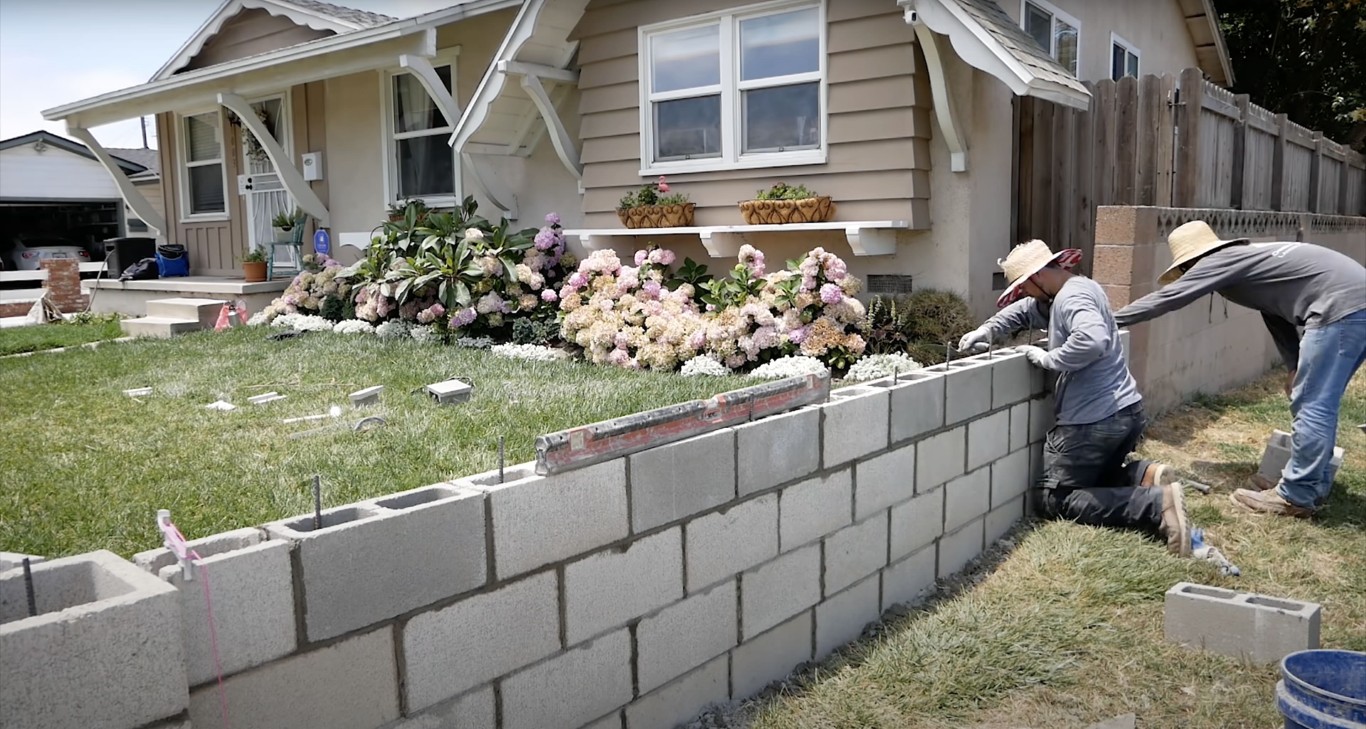
We build retaining walls and concrete masonry structures throughout Alexandria and central Louisiana. Our team has the engineering knowledge and construction experience to build walls that last. From small garden walls to large structural walls, we deliver quality masonry work that stands up to our challenging Louisiana climate.
Types of Retaining Walls We Build
Different situations call for different types of retaining walls. We work with several materials and construction methods depending on your needs, budget, and the height of wall required:
- Concrete block walls: Interlocking masonry blocks that stack without mortar, available in many colors and styles
- Poured concrete walls: Reinforced concrete walls for maximum strength and durability
- Stone veneer walls: Concrete or block walls finished with natural stone for a high-end appearance
- Decorative concrete walls: Cast-in-place concrete with stamped or textured finishes
- Tiered wall systems: Multiple shorter walls that step down slopes instead of one tall wall
Why Retaining Walls Matter
A properly built retaining wall does more than just look nice. It provides real functional benefits for your property:
Erosion control. If you have slopes that wash out during heavy rains, a retaining wall stops soil from eroding. This protects your landscaping, prevents sediment from running into driveways and streets, and keeps your property intact.
Creates usable space. Sloped yards limit how you can use your property. Retaining walls create flat, level areas where you can put patios, gardens, play areas, or lawns. This is especially valuable on smaller lots where every bit of usable space matters.
Improves drainage. Retaining walls can be designed to direct water flow and prevent pooling. Combined with proper drainage systems behind the wall, they manage water runoff and protect your home's foundation.
Adds property value. Well-built retaining walls enhance curb appeal and increase your property value. They show that erosion and drainage issues have been professionally addressed, which matters to future buyers.
Engineering Requirements for Retaining Walls
Retaining walls face significant forces. The soil behind the wall pushes against it constantly, and water adds even more pressure. A poorly built wall will lean, crack, or collapse. That is why proper engineering matters, especially for taller walls.
For walls over 4 feet tall, we typically involve a structural engineer to design the wall and specify reinforcement requirements. The engineer accounts for soil type, drainage conditions, slope angle, and loads. This ensures your wall is built strong enough to handle the forces it will face.
Even for shorter walls that do not require engineering, we follow best practices for foundation depth, base preparation, reinforcement, and drainage. These details determine whether a wall lasts 10 years or 40 years.
Proper Construction Makes the Difference
Building a retaining wall correctly involves much more than just stacking blocks. Here is what goes into quality retaining wall construction:
- Excavation below frost line for stable footing
- Compacted gravel base for drainage and support
- Level first course that establishes the entire wall
- Proper backfill with drainage rock instead of clay soil
- Drainage system behind wall to prevent water pressure buildup
- Reinforcement with geogrid or deadmen for taller walls
- Slight backward lean to counteract soil pressure
- Cap blocks or top finish to protect the wall and complete the look
Drainage Behind Retaining Walls
The biggest threat to retaining walls is water pressure. When water builds up behind a wall, the pressure can push it over or cause it to crack and fail. That is why proper drainage is critical.
We install drainage rock behind every retaining wall we build. This rock allows water to filter down instead of building pressure. At the base, we install perforated drain pipe that carries water away to discharge points. Some walls also need weep holes that let water escape through the face of the wall.
These drainage systems are hidden once the wall is complete, but they are what keeps your wall standing for decades.
Concrete Masonry for Other Applications
Beyond retaining walls, we also build other concrete masonry structures for residential and commercial properties:
Freestanding walls for privacy, property boundaries, or separating areas of your yard. These decorative walls do not retain soil but create visual barriers and define spaces.
Outdoor kitchens and fire pits using concrete block construction. These built-in features add function and value to your outdoor living areas.
Raised planters and garden beds that add visual interest and make gardening easier by bringing plants up to a comfortable working height.
Mailbox and entry monuments that create impressive entrances to your property with durable masonry construction.
Design Options for Retaining Walls
Retaining walls do not have to look industrial. Modern masonry products come in many colors, textures, and styles. You can choose from smooth contemporary blocks, textured stone-look blocks, or traditional concrete blocks that you can cover with stone veneer.
For color, options range from natural gray to earth tones like tan, brown, and red. Many block systems offer multiple color blends for a natural, variegated look. Cap blocks provide a finished top edge and come in flat, rounded, or decorative profiles.
We help you select products that match your home's style and your budget. Bring us pictures of looks you like, and we will recommend specific products and provide samples.
Permits and Regulations
Depending on where you live and how tall your wall will be, you may need a building permit. Most municipalities require permits for walls over 4 feet tall. Some require permits for any retaining wall regardless of height.
We help you understand what permits you need and can handle the permitting process if desired. We make sure your wall meets all local building codes and setback requirements so you avoid issues with building officials or future property buyers.
Get Expert Retaining Wall Design and Installation
If you need a retaining wall or masonry structure in Alexandria or central Louisiana, call us at (318) 266-8869 to schedule a consultation. We will visit your property, assess your site conditions, and recommend the best solution for your needs and budget.
We provide detailed written estimates that break down materials, labor, and timeline. We also show you product samples and help you choose colors and styles that complement your property. Visit our homepage to see examples of retaining walls and masonry projects we have completed.
Looking for other concrete services? We also specialize in concrete patios and walkways that complement your new retaining wall and create complete outdoor living spaces.